

How AOI and Functional Testing Work Together
Automated optical inspection and functional testing answer different quality questions. Used together, they provide stronger manufacturing feedback and release evidence.
12 August 2026 · 5 minute read
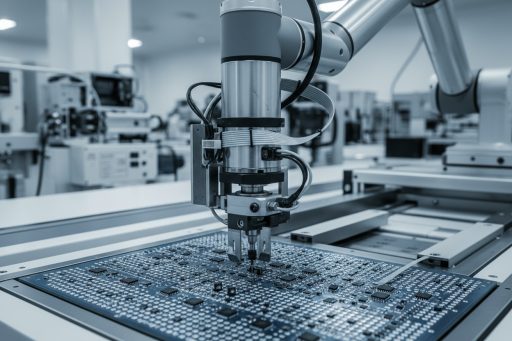
AOI checks what the assembly looks like
Automated optical inspection compares visible assembly features against programmed criteria. It can help identify missing, displaced, rotated, or incorrectly marked components as well as visible solder anomalies.
Its value is not only at final inspection. Fast feedback can reveal a recurring placement, printing, or process issue while production is still underway.
Functional test checks what the product does
A functional test applies power, stimulus, communications, or loads and confirms defined outputs. Depending on the product, it may include programming, calibration, interface checks, measurements, or a controlled operating sequence.
The test is only as useful as its acceptance criteria. Expected limits, equipment, connections, software, and handling of failures should be documented.
Layer the evidence around product risk
AOI cannot prove every electrical function, while a functional test may not reveal every workmanship concern. A sensible quality plan combines incoming controls, process checks, optical or visual inspection, and product-specific test according to risk.
Review escapes and false calls as part of continuous improvement. Inspection and test data should make the process smarter, not simply create a pass label.
Bring us the requirement, the design, or the production challenge.
Tell us what you are building, where the project currently sits, the expected quantities and the timing. We typically respond within 24 hours.